Official visual references
Screenshots and trailer frames are used as visual anchors for the guide. Gameplay stats, locations, drops, boss routes, and build rankings remain labeled until they can be verified in the playable Early Access build.
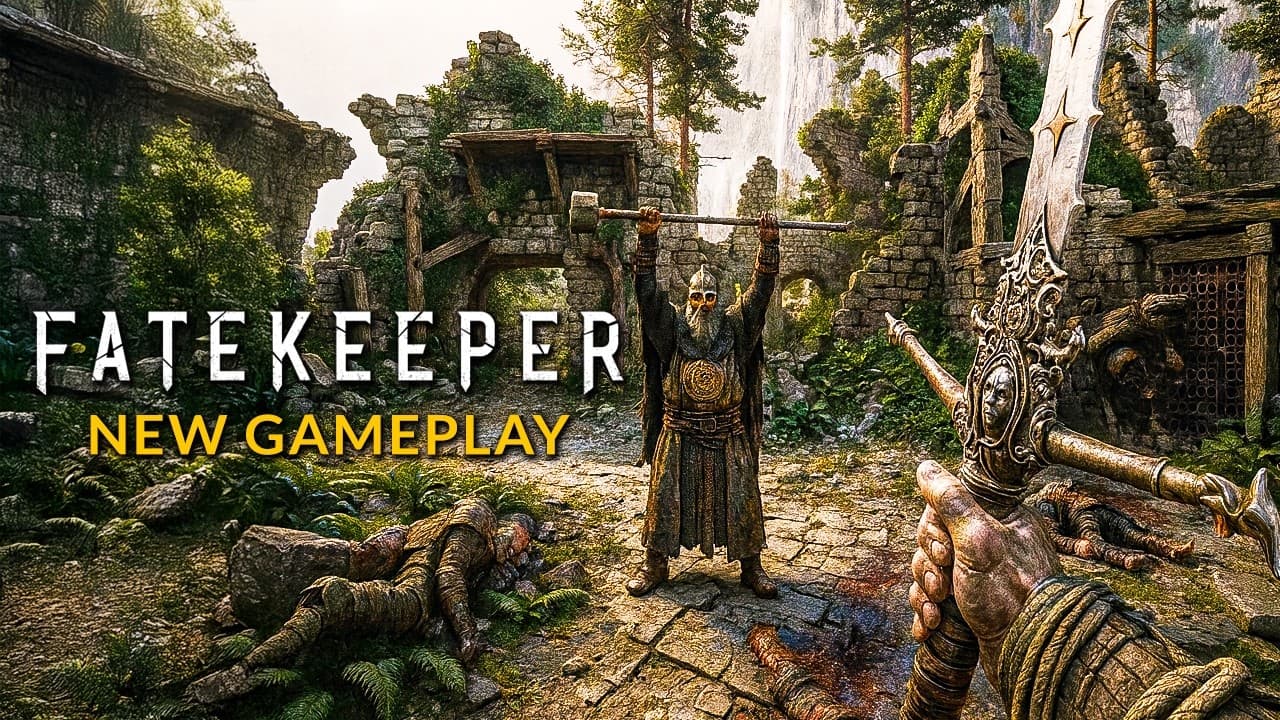


Watch the 15-Minute Gameplay Demo First
WildGamerSK's 15-minute gameplay demo is the best pre-purchase visual reference. Watch it to see real combat pacing, weapon variety, enemy behavior, UI layout, and environment design -then use the guide below to plan your first session.
Key moments: 0:30 weapon selection UI, 1:15 first enemy encounter, 3:42 inventory and gear, 7:18 first boss arena entrance.
First priorities
The first priority is to understand the loop, not to copy a meta build. Fatekeeper's official pitch emphasizes reactive combat, magic, exploration, gear, relics, and progression. Those systems only become useful when the player understands what each one changes.
Start with habits that survive balance changes: watch enemy windups, test weapon range, learn how spells fit into resource pressure, and check whether exploration rewards change your options.
- Fight slowly at first and read enemy patterns.
- Compare weapon reach and recovery before upgrading heavily.
- Use spells to solve problems, not only to add damage.
- Inspect relic and armor effects before judging a build.
- Keep notes on anything that looks like a locked door, puzzle, or return path.
Beginner decision table
The table below is intentionally conservative. It gives new players useful decisions without pretending that final numbers are known.
| Decision | Safe approach | Why |
|---|---|---|
| First weapon | Choose the weapon with the clearest timing | Consistency beats theoretical DPS early |
| First spell | Pick a spell that creates space or interrupts pressure | Utility protects new players from bad trades |
| Upgrades | Wait until a weapon or spell feels reliable | Unknown respec and material economy |
| Exploration | Clear side rooms before moving on | Relics and hidden systems may shape builds |
What not to do early
The most common mistake in new action RPGs is over-investing before understanding the resource economy. Fatekeeper may reward specialization, but Early Access balance can change quickly. Learn how to evaluate tools before making permanent upgrade decisions.
If the launch build has limited content, a careful player can still learn a lot by testing repeatable interactions: melee spacing, spell cast time, enemy armor behavior, stagger, elemental reactions if present, and relic synergy.
What new players usually need first
New players rarely need a lore encyclopedia in the first session. They need to know how combat pressure works, what to test before spending resources, how weapon reach changes safety, and how spells or relics might change a build.
Because Fatekeeper launches through Early Access, early learning advice stays flexible. Use the recommendations as habits and checkpoints, then replace them with exact routes once item names, upgrade costs, enemy names, and patch behavior are verified.
| Need | What to check | Why it matters |
|---|---|---|
| Survival | Spacing, defense, recovery, enemy windups | Keeps early deaths from becoming random |
| Damage | Weapon reach, attack speed, spell safety | Shows which tools fit your timing |
| Progression | Upgrade costs, relic effects, resource scarcity | Prevents early waste |
| Exploration | Locked doors, unusual rooms, hidden rewards | Finds systems that affect builds |
How reliable is this information?
This beginner guide guide separates confirmed information from hands-on findings. If a detail is not playable or testable yet, it is marked clearly instead of being presented as finished advice.
Exact stats, boss routes, hidden loot positions, drop rates, and final balance notes stay unverified until there is direct evidence from the playable version.
| Claim type | Evidence needed | Reader takeaway |
|---|---|---|
| Official facts | Steam and official site copy | Use now |
| Trailer analysis | Gameplay and announcement trailers | Label as analysis |
| Community findings | Player testing after Early Access unlocks | Do not publish as fact yet |
Sources and verification status
Confirmed details come from official, storefront, publisher, video, community, or media references. Exact gameplay data is held back until it has direct evidence from the playable build.