Official visual references
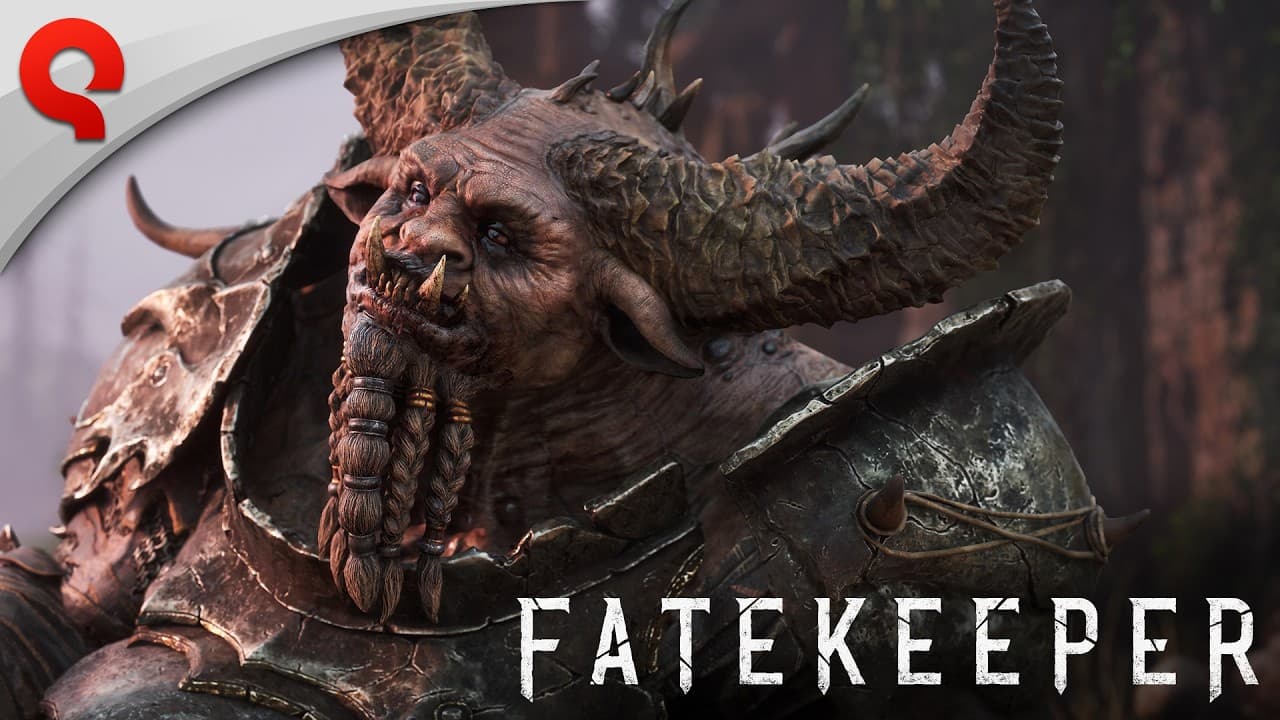
Screenshots and trailer frames are used as visual anchors for the guide. Gameplay stats, locations, drops, boss routes, and build rankings remain labeled until they can be verified in the playable Early Access build.


Playstyle
The beginner build is not a weak build. It is a learning build. Its job is to keep the player alive long enough to understand enemy patterns, weapon timing, spell utility, and relic effects.
Use roles rather than fake item names: a consistent melee weapon, a spell that creates safety, and relic effects that improve survival or resource recovery.
| Slot | Recommendation | Reason |
|---|---|---|
| Weapon | Reliable reach and recovery | Easier timing for new players |
| Spell | Control or space-creating utility | Prevents panic trades |
| Relic | Defense, recovery, or sustain effect | Stabilizes learning |
| Upgrade priority | Survival first, damage second | Reduces reset risk |
Strengths and weaknesses
The beginner build has a clear weakness: it may not be the fastest killer. That is acceptable. Its strength is consistency, lower punishment, and broad compatibility with future discoveries.
After launch, exact starter tools and a tested upgrade order can replace the launch-window plan.
- Strength: safer learning curve.
- Strength: flexible if balance changes.
- Weakness: may clear slower than optimized builds.
- Weakness: exact upgrade path still needs testing.
How to read build advice before the meta exists
Fatekeeper build searches will spike around best build, best weapon, spellblade, dagger, heavy weapon, and beginner build queries. Before full testing, the useful answer is not a fake S-tier list; it is a confidence-ranked plan that explains why a build may work and what still needs proof.
A build becomes reliable only when it survives several checks: repeatable enemy matchups, reasonable resource cost, a clear defense plan, stable upgrade scaling, and patch version notes. If a build only looks strong in a trailer, treat it as a theory.
| Signal | Good evidence | Weak evidence |
|---|---|---|
| Damage | Tested against several enemy types | Single trailer clip |
| Safety | Clear defense and recovery plan | Only assumes perfect play |
| Progression | Known upgrade costs and scaling | No material data |
| Patch reliability | Tested on a named build version | No patch context |
How reliable is this information?
This beginner build guide separates confirmed information from hands-on findings. If a detail is not playable or testable yet, it is marked clearly instead of being presented as finished advice.
Exact stats, boss routes, hidden loot positions, drop rates, and final balance notes stay unverified until there is direct evidence from the playable version.
| Claim type | Evidence needed | Reader takeaway |
|---|---|---|
| Official facts | Steam and official site copy | Use now |
| Trailer analysis | Gameplay and announcement trailers | Label as analysis |
| Community findings | Player testing after Early Access unlocks | Do not publish as fact yet |
Sources and verification status
Confirmed details come from official, storefront, publisher, video, community, or media references. Exact gameplay data is held back until it has direct evidence from the playable build.